

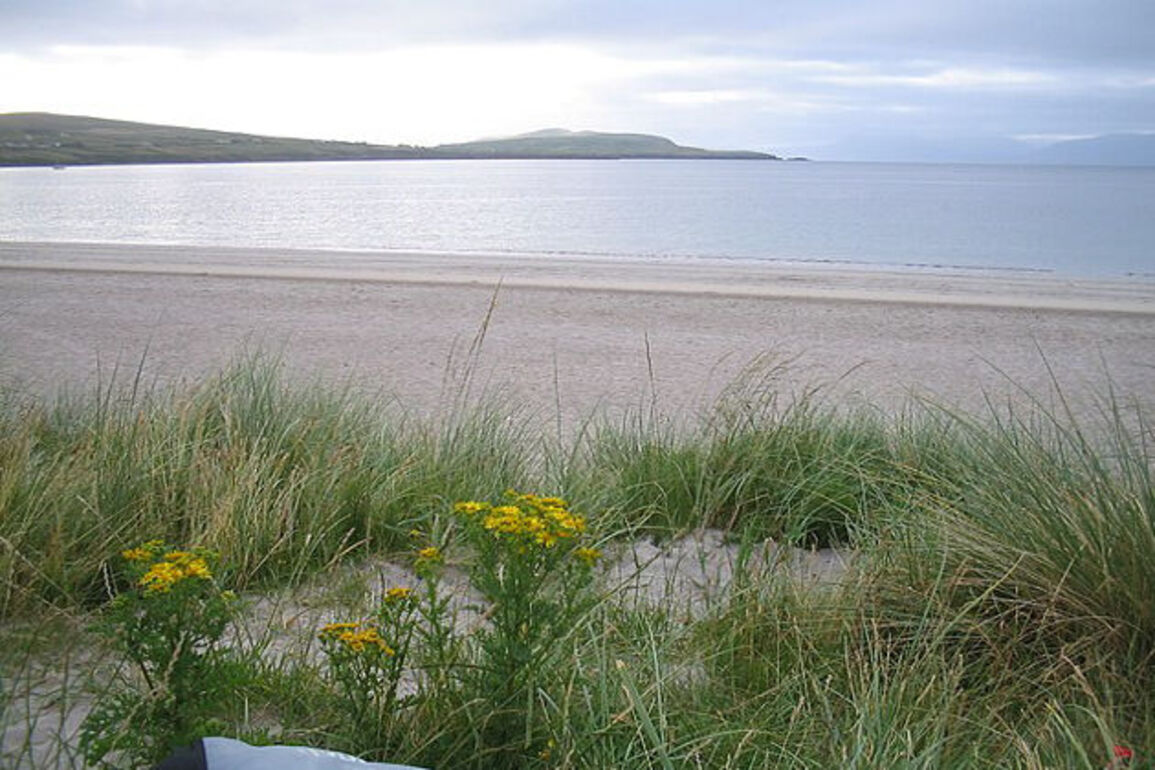
DUBLIN, Ireland, Ireland's beaches are now at their cleanest level in eight years, according to a new report from Irish Business Against Litter (IBAL). The group credited this improvement largely to the Deposit Return Scheme, which allows people to return plastic bottles and cans for money.
An Taisce conducted the survey on behalf of IBAL during June and July. Inspectors checked 33 beaches, rivers, harbours, and surrounding areas. Out of these, 17 were found to be ‘clean,' which is a big jump compared to the last survey. That's a 50 percent increase. At the same time, the number of areas considered ‘littered' fell sharply from 11 to only three. Importantly, not a single location was labelled "heavily littered," which is the lowest grade.
Many popular beaches made the clean list this year, including Brittas Bay, Curracloe, Bundoran, Killiney, Strandhill, and Tramore. Portmarnock in Dublin showed the most significant progress, moving up from a ‘littered' rating to ‘clean.' Positive changes were also recorded in Cork, at Blackrock Castle and Castletownbere. On the other hand, Dingle, Dog's Bay in Galway, and White Bay in Cork slipped into the ‘littered' category.
The most common rubbish items found were cigarette butts, sweet wrappers, and fast-food packaging. However, there was a clear improvement when it came to bottles and cans. Since the Deposit Return Scheme started, their presence on beaches has dropped by 30 percent. Disposable vapes also showed a decline, but coffee cups remain a significant issue, turning up in 42 percent of the areas surveyed.
IBAL spokesperson Conor Horgan described the results as "very positive." He explained that just a few years ago, only a small number of beaches could be called clean, while many were problem spots. Today, more than half are clean, and none fall into the worst category. He added that this is especially impressive given how sunny the weather has been this summer, when large crowds made cleaning harder for local authorities.
Horgan credited government initiatives and volunteers. Local "Clean Coast" groups and Tidy Towns committees, he said, play a huge role in keeping beaches litter-free. These groups are expanding, and their efforts are clearly paying off. He also pointed out small but important changes, like bottle caps now being attached to bottles, which prevents them from being thrown away separately.
Still, Horgan warned that coffee cup waste remains stubborn. He suggested that a levy might be needed to tackle the problem.
Globally, the issue of plastic pollution remains severe. National Geographic reports that around eight million tons of plastic enter the oceans each year, affecting more than 2,000 species of wildlife.
Ireland will soon host its annual "Big Beach Clean" from September 19 to 21. More than 600 groups and 15,000 volunteers are expected to clean coastlines nationwide.